 Red Bank Police Chief Dan Seymour |
Emerging Technology in Law EnforcementAs technology continues to advance at a rapid pace, it is shaping the future of law enforcement in meaningful ways. While movies and television often portray futuristic policing as something far off, many of these innovations are being used by police agencies across the country to improve public safety, increase efficiency, and enhance transparency. For a city of approximately 12,000 residents, one of the strengths of our Police Department is our close connection to the community. Emerging technology is not intended to replace that relationship, but rather to support it by helping officers work more efficiently, safely, and transparently. To continue providing safety and security for our community, our agency must thoughtfully consider emerging technologies and their potential impact. Careful research and analysis are essential to ensure these tools are used responsibly and effectively. Continued Use of Cameras
Artificial Intelligence and Automation
One of the most significant developments in modern policing is the use of data-driven tools. Advanced records management systems and crime analysis software can help identify patterns and trends that were once difficult to detect. It can deploy officers more strategically, focus on problem areas, and address issues before they escalate, improving public safety for everyone. Artificial intelligence (AI) is beginning to assist law enforcement in limited but meaningful ways. It can help with automating report writing, summarizing reports, and organizing digital evidence. AI has the potential to reduce administrative workload. The impact of AI use for a law enforcement agency, including ours, could be important. It could lead to officers spending more time patrolling or engaging with the community rather than being stuck behind a desk completing paperwork. It is important to emphasize that technology like AI is a support tool, not a decision-maker. Human judgment, ethics, and accountability will always remain central to policing in our city. As AI continues to emerge, we will have to evaluate the technology and how it can positively impact us while also being mindful of safety and security concerns. License Plate Readers (LPRs)
Another emerging technology is the use of license plate reader systems. LPRs use cameras to capture license plates in public view and compare them against databases for stolen vehicles, missing persons alerts, or wanted suspects. These systems can be fixed in certain locations or mounted on patrol vehicles. As a result of this newer technology, the number of law enforcement success stories are countless to include recovery of stolen vehicles, location of missing or abducted persons, identification and locating of serious felons to include homicide and robbery. For a small community, LPRs can be a force multiplier. They can help officers quickly identify stolen vehicles or locate individuals connected to serious crimes. At the same time, the use of LPR technology requires clear policies on data retention, access, and use. Protecting privacy and ensuring transparency are essential considerations for use of this technology. Real-Time Crime Centers and Data Integration
Some agencies are developing real-time crime centers that integrate multiple sources of information such as cameras, LPRs, gunshot detectors, and call data into a single platform or collection point. This enables law enforcement to have faster response with more information to make better decisions as events unfold, improving coordination and safety. It also helps with using predictive analytics to optimize proactive crime prevention and helps to accelerate investigations. While a full-scale center may not be realistic for a smaller city such as ours, scaled-down versions or cooperative partnerships could still allow use of these systems and still provide valuable situational awareness during critical incidents. Drones as a First Response Tool
One of the most promising developments in modern policing is the use of unmanned aerial systems, commonly known as drones. Traditional police drones are used as a reactive tool. In these cases, drones are used after officers arrive at a scene and are used for specific tasks such as search & rescue, tracking the pursuit of a suspect, crime scene use, event safety, or search of a building during a SWAT operation. The process for these drones requires going to get a drone from a storage location or deploy from a vehicle, driving to the location, set up for launch, and flight time. More recently, police departments are increasingly exploring “drones as first responders,” where a drone can be deployed quickly to certain types of calls before officers arrive on scene, or are even dispatched. In these cases, drones can be launched automatically from pre-determined locations. Real-time intelligence can be provided to dispatch, and officers identify possible threats, identify suspects, provide scene layout or even identify if the call is false or not. Drones can provide aerial information during emergencies such as missing people, traffic crashes, fires, or active incidents, allowing dispatchers to better coordinate resources, improving response times and officer safety. It is important to note that drone use is governed by strict policies, Federal Aviation Administration (FAA) regulations, and privacy safeguards to ensure they are used responsibly and only for legitimate public safety purposes. We will have to research and consider the use of this technology as it becomes more developed in the near future. Many law enforcement agencies are starting to use these systems, especially with current times of shortages of police officers. Balancing Innovation, Trust, and Privacy
Emerging technology offers exciting opportunities for small police departments to enhance safety, efficiency, and service. While we may not adopt every new tool on the market, we will continue to evaluate innovations that align with our mission and the expectations of our community. As new technologies emerge, concerns about privacy and data security are both valid and important. Any future technology adopted by our department will be evaluated carefully and if adopted, will have clear policies. Our goal is to balance innovation with respect for individual rights and community values. The future of policing is not just about technology. It is about a partnership with the community we serve. As we move forward, we remain committed to open communication, responsible use of technology, and maintaining trust that makes our community a safe and welcoming place to live. Our mission will remain the same: affect a positive difference to the citizens of this community. -Chief Dan Seymour Red Bank Police Department __________________________________________________________________________________________
|
|
|
|
|
|
Each year on January 9th, we come together to recognize the bravery, commitment, and sacrifice of our nation’s law enforcement officers. These dedicated individuals work tirelessly to ensure the safety and security of our communities, often putting their lives on the line in the process. On National Law Enforcement Appreciation Day (L.E.A.D.), we have the opportunity to express our gratitude. Whether it’s a simple thank-you, a handwritten note, or a thoughtful gesture, your appreciation can make a difference. Here are a few ways you can show your support: Wear Blue: wearing blue attire on January 9th is a visible way to honor our officers. Say Thank You: A kind word or acknowledgment can mean so much to those who serve. Share Positivity: Post a message of support on social media using #LawEnforcementAppreciationDay. Give Back: Consider donating to organizations that support law enforcement families.
Together, we can show our appreciation for the men and women who work hard to protect us every day. Thank you to all the law enforcement officers who uphold justice and keep our communities safe. You are truly appreciated! __________________________________________________________________________________________ |
|
|
|
|
|
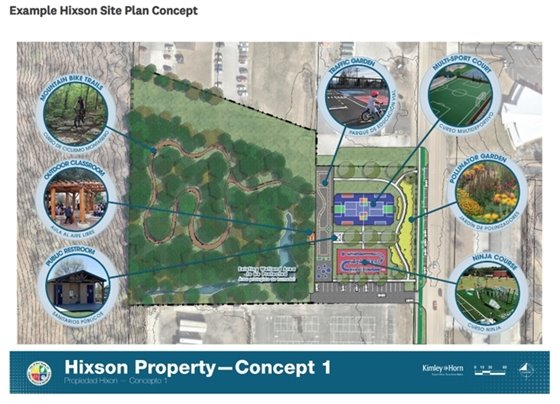
City of Red Bank Parks & Recreation is asking for your input!
We’re planning a new park on the north end of Dayton Blvd, next to Fire Hall 2 and B&B Discounts, and we want to hear from you. We gathered great feedback during our in-person activities at the last Traffic Garden Jam and the Red Bank Christmas Parade & Festival, but we want to be sure everyone has a chance to share their thoughts. Please take a few minutes to complete our quick survey and help shape this new park:
https://www.surveymonkey.com/r/Red_Bank_ _________________________________________________________________________________________ |
|
|
|
A Safe Start to the New YearAs we welcome the new year, the Red Bank Police Department would like to share a few important safety reminders to help our community start the year off strong. January brings colder weather, shorter daylight hours, and new routines—making this a perfect time to reset our safety habits. Winter Driving Safety Winter conditions can change quickly. To stay safe on the roads: - Slow down and increase following distance on wet or icy roads
- Clear ice from all windows and lights on your vehicle before driving
- Use headlights during low visibility, including fog or snow
- Keep an emergency kit in your vehicle with a blanket, flashlight, and phone charger
Home Security After the Holidays Many homes are still adjusting after holiday travel and deliveries. - Lock all doors and windows, even when home
- Remove empty boxes from expensive items from curbside view
- Use exterior lighting or timers to deter unwanted activity
- Report suspicious behavior to the police department—your call could help prevent a crime
911 vs. Non-Emergency Calls Knowing which number to call helps us respond faster: - Call 911 for emergencies involving immediate danger to life, safety, or property
- Use the non-emergency number, 423-877-2481, for incidents like noise complaints, suspicious activity, or minor accidents
Saving 911 for emergencies ensures help reaches those who need it most. New Year, New Scams Scammers often target residents early in the year. Be cautious of: - Tax refund or IRS impersonation calls
- Requests for payment using gift cards, cryptocurrency, or wire transfers
- Fake utility shutoff threats
- Online marketplace and social media scams
If something feels suspicious—pause, verify, and report it. Start the Year with Simple Safety Resolutions Small actions make a big difference. Staying alert, informed, and connected helps keep our community safe all year long. As always, the Red Bank Police Department thanks you for your continued support and partnership. We wish you a safe, healthy and happy New Year! __________________________________________________________________________________________
|
|
|
|
|
|
_________________________________________________________________________________________ |
|
|
|
 Join Us for MLK Day of Service in Red Bank! The City of Red Bank, Green Steps, and (be)caffeinated are teaming up to make our community shine! Time: 10:00 AM – 12:30 PM Meet at: Red Bank City Park Pavilion, 3817 Redding Rd Schedule: • 10:00 AM: Check in, grab supplies & refreshments • Cleanup: Disperse in groups to designated areas (choose your preferred location in the signup!) • 12:30 PM: Return to the park for more refreshments & supply drop-off We’ll provide garbage bags, limited trash grabbers, reusable gloves, and safety vests. Bring your own if you have them! Recommended: closed-toe shoes, long pants, weather-appropriate clothing, a thermos for coffee, and a refillable water bottle. Got empty feed or pet food bags? Bring them for trash collection bags! Kid-friendly areas available. Let’s honor Dr. King’s legacy through service and keep Red Bank clean and green!
|
|
|
|
__________________________________________________________________________________________ |
|
|
|
Red Bank Fire Department: Carbon Monoxide Safety
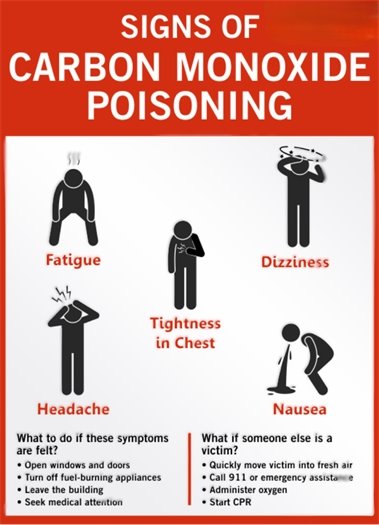
Well, it’s New Year already, can you believe it. We have already fired up our heat units, fireplaces, and room heaters because Ole Man Winter is upon us. Often called “The Invisible Killer” let’s talk about Carbon Monoxide and the importance of having Carbon Monoxide Alarms in your homes. What is carbon monoxide (CO) and how is it produced? Carbon monoxide (CO) is a deadly, colorless, odorless, poisonous gas. It is produced by the incomplete burning of various fuels, including coal, wood, charcoal, oil, kerosene, propane, and natural gas. Products and equipment powered by internal combustion engines such as portable generators, cars, lawn mowers, and power washers also produce CO. How many people are unintentionally poisoned by CO? On average, more than 200 people in the United States die every year from CO produced by non-automotive consumer products. These products include malfunctioning fuel-burning appliances such as furnaces, ranges, water heaters and room heaters; engine-powered equipment such as portable generators; fireplaces; and charcoal that is burned in homes and other enclosed areas. In 2020, the highest number of CO deaths associated with any single product category, 92, were associated with generators, which are often used to power homes when the electricity goes out. The second highest number of CO deaths, 33, were associated with portable heaters. Still others die from CO produced by non-consumer products, such as cars left running in attached garages. The Centers for Disease Control and Prevention estimate that several thousand people go to hospital emergency rooms every year to be treated for CO poisoning. What are the symptoms of CO poisoning? Because CO is odorless, colorless, and otherwise undetectable to the human senses, people may not know that they are being exposed. The initial symptoms of low to moderate CO poisoning are similar to the flu (but without the fever). They include: - Headache
- Fatigue
- Shortness of breath
- Nausea
- Dizziness
High level CO poisoning results in progressively more severe symptoms, including: - Mental confusion
- Vomiting
- Loss of muscular coordination
- Loss of consciousness
- Ultimately death
Symptom severity is related to both the CO level and the duration of exposure. For slowly developing residential CO problems, occupants and/or physicians can mistake a mild to moderate CO poisoning symptoms for the flu, which sometimes results in tragic deaths. For rapidly developing, high level CO exposures (e.g., associated with use of generators in residential spaces), victims can rapidly become mentally confused, and can lose muscle control without having first experienced milder symptoms; they will likely die if not rescued.
|
|
|
|
|
|
How can I prevent CO poisoning? - Make sure appliances are installed and operated according to the manufacturer's instructions. Most appliances should be installed by qualified professionals. Have the heating system professionally inspected and serviced annually to ensure proper operation. The inspector should also check chimneys and flues for blockages, corrosion, partial and complete disconnections, and loose connections.
- Never service fuel-burning appliances without proper knowledge, skill and tools. Always refer to the owner’s manual when performing minor adjustments or servicing fuel-burning equipment.
- Never operate a portable generator or any other gasoline engine-powered tool either in or near an enclosed space such as a garage, house, or other building. Even with open doors and windows, these spaces can trap CO and allow it to quickly build to lethal levels.
- Install a CO alarm that meets the requirements of the current UL 2034 safety standard. A CO alarm can provide some added protection, but it is no substitute for proper use and upkeep of appliances that can produce CO. Install battery-operated CO alarms or CO alarms with battery backup on every level of the home and outside sleeping areas. Interconnected CO alarms are best; when one sounds, they all sound. Make sure the alarm cannot be covered by furniture or draperies. Note: Red Bank Fire Department Does Not Offer CO Alarms.
- Never use portable fuel-burning camping equipment inside a home, garage, vehicle or tent unless it is specifically designed for use in an enclosed space and provides instructions for safe use in an enclosed area.
- Never burn charcoal inside a home, garage, vehicle, or tent.
- Never leave a car running in an attached garage, even with the garage door open.
- Never use gas appliances such as ranges, ovens, or clothes dryers to heat your home.
- Never operate unvented fuel-burning appliances in any room where people are sleeping.
- Do not cover the bottom of natural gas or propane ovens with aluminum foil. Doing so blocks the combustion air flow through the appliance and can produce CO.
- During home renovations, ensure that appliance vents and chimneys are not blocked by tarps or debris. Make sure appliances are in proper working order when renovations are complete.
What CO level is dangerous to my health? The health effects of CO depend on the CO concentration and length of exposure, as well as everyone’s health condition. CO concentration is measured in parts per million (ppm). Most people will not experience any symptoms from prolonged exposure to CO levels of approximately 1 to 70 ppm, but some heart patients might experience an increase in chest pain. As CO levels increase and remain above 70 ppm, symptoms become more noticeable and can include headache, fatigue and nausea. At sustained CO concentrations above 150 to 200 ppm, disorientation, unconsciousness, and death are possible. What should I do if I am experiencing symptoms of CO poisoning and do not have an CO alarm, or my CO alarm is not going off? If you think you are experiencing any of the symptoms of CO poisoning, get outside to fresh air immediately. Leave the home and call your fire department to report your symptoms from a neighbor’s home. You could lose consciousness and die if you stay inside the home. It is also important to contact a doctor immediately for a proper diagnosis. Tell your doctor that you suspect CO poisoning is causing your problems. Prompt medical attention is important if you are experiencing any symptoms of CO poisoning. If the doctor confirms CO poisoning, make sure a qualified service person checks the appliances for proper operation before reusing them. Are CO alarms reliable? CO alarms always have been and still are designed to alarm before potentially life-threatening levels of CO are reached. The safety standards for CO alarms have been continually improved, and currently marketed CO alarms are not as susceptible to nuisance alarms as earlier models. How should you test a CO alarm to make sure it is working? You should follow the manufacturer's instructions. Using a test button, tests whether the circuitry is operating correctly, not the accuracy of the sensor. Alarms have a recommended replacement age, which can be obtained from the product literature or from the manufacturer. Newer alarms have an end-of-life signal that will indicate when the alarm needs to be replaced. How should I install a CO Alarm? CO alarms should be installed according to the manufacturer's instructions. Install battery-operated CO alarms or CO alarms with battery backup on every level of the home and outside sleeping areas. Interconnected CO alarms are best; when one sounds, they all sound. CO alarms may be installed into a plug-in receptacle or high on the wall. Hard wired or plug-in CO alarms should have battery backup. Avoid locations that are near heating vents or that can be covered by furniture or draperies. It is not recommended to install CO alarms in kitchens or above fuel-burning appliances. What should you do when the CO alarm sounds? Never ignore an alarming CO alarm! It is warning you of a potentially deadly hazard. If the alarm signal sounds DO NOT try to find the source of the CO: - Immediately move outside to fresh air.
- Call your emergency services, fire department, or 911.
- After calling 911, do a head count to check that all people are accounted for. DO NOT reenter the premises until the emergency services responders have given you permission. You could lose consciousness and die if you go inside the home.
- If the source of the CO is determined to be a malfunctioning appliance, DO NOT operate that appliance until it has been properly serviced by trained personnel.
If authorities allow you to return to your home, and your alarm reactivates within a 24-hour period, repeat steps 1, 2 and 3 and call a qualified appliance technician to investigate for sources of CO from all fuel burning equipment and appliances, and inspect for proper operation of this equipment. If problems are identified during this inspection, have the equipment serviced immediately. Note any combustion equipment not inspected by the technician and consult the manufacturers’ instructions, or contact the manufacturers directly, for more information about CO safety and this equipment. Make sure that motor vehicles are not, and have not been, operating in an attached garage or adjacent to the residence. Should CO alarms be used in motor homes and other recreational vehicles? CO alarms are available for boats and recreational vehicles and should be used. The Recreation Vehicle Industry Association requires CO alarms in motor homes and in trailers. ________________________________________________________________________________________ |
|
|
|
Highlighting Red Bank's Non-Profit:Pet Placement Center |
|
|
|
|
|
Pet Placement Center (PPC) is a small, private adoption agency and Chattanooga's oldest no-kill animal shelter. We were formed under Tennessee Humane Animal League in 1983, officially incorporated as a non-profit in 1984, and have been serving the community from our current location as PPC since 1993. All operating funds come from donations, adoption fees, and fundraising projects. We receive no agency funding or government assistance. Our Mission- Pet Placement Center aims to reduce animal suffering by finding responsible homes for animals in need, promoting spay/neuter to reduce pet homelessness, and emphasizing responsible animal care through education and example. Volunteer - Volunteers are crucial to the everyday schedule at PPC. From cleaning cat rooms to working off-site event tables, there's no end to what you can do to help us out. Cat Caretaker-Help clean & sanitize the cat colony rooms, including washing floors, windows, litter boxes, and dishes. You can also socialize with the cats and kittens once the cleaning is done. Dog Caretaker- (18+) Help clean & sanitize the kennel, including cleaning walls, floors, dishes, and laundry. You can also play with them in their yards or take a dog for a hike to your favorite trail. Off-Site Events- Help our fundraising team by assisting with dog & cat adoption events or information booth events throughout the year. Transporter- Help out our small staff by transporting dogs and cats to and from off-site events, the veterinarian office, or anywhere else we need them to go. Fundraising- Participate in our fundraising events by obtaining gift cards for our annual raffle or items for Tails at Twilight, or by running your own fundraiser on behalf of the shelter. Foster a Pet Foster homes expand our facility beyond our standard capacity. With the help of foster homes, we are able to help more animals. As a small no-kill facility, we sometimes need a little extra space outside of the shelter. Heartworm positive dogs, special needs cats, special surgeries, and new litters of puppies or kittens require round-the-clock care that can often be difficult at the facility. By signing up to be a foster, you'd be helping those that need help the most by preparing them for their future forever homes. Email our foster coordinator at fosters@thalppc.com for more information. "Borrow" a PPC Dog - Walkin' Wags This program invites you to take a hike...with one of our PPC dogs! Chattanooga is known far and wide for all of its amazing outdoor spots, including the numerous hiking trails. Why not take a friendly canine companion with you while you explore the great outdoors! It can get pretty boring for all the shelter dogs doing the same routine every day, so make an appointment, and grab a dog for a few hours and make their day. Guidelines for walking a PPC dog: - Hikers must be 18 years of age or older.
- Dogs are available to go on hikes Wednesday through Sunday between 10 AM and 4 PM.
- A well-fitted harness and leash will be provided for the hike.
- A mode of transportation is required.
To participate in this program, email volunteer@thalppc.com or go to our website to complete a Volunteer Application. Check Out a PPC Dog Not in a position to own or adopt a dog right now? Did you know that you can check one out instead? Senior Siri McDonough wanted to find a way for animal lovers to enjoy the companionship of a dog while also giving that dog a much needed break from life at the shelter. For her Girl Scout Gold Award Project she has chosen to promote the importance of volunteering and fostering. This provides our dogs more social interaction and enrichment in their lives and hopefully gets them noticed and adopted more quickly. Checking out a dog can be something as simple as letting one accompany you on a fun hike or just having the companionship of one in your home overnight or for the weekend. The possibilities are endless and it’s a win-win for everyone involved! Sign up or give us a call to find out. Two different options for checking out a PPC dog: - Check out a dog overnight: To be eligible, you must fill out a foster application.
- Check out a dog for the day: To be eligible, you must fill out a volunteer application.
Ways To Donate- Along with daily care and typical building maintenance, PPC has several other specific funds that you can support directly. Special Needs Fund- Our Special Needs Fund was established to financially provide life-saving care to all of the unique animals that walk through our door. Community Spay/Neuter Fund- Our Community Spay/Neuter Fund is a new initiative for 2025. We already spay and neuter all of our shelter animals prior to adoption, but now we plan to assist owners with these costs to continue our mission of decreasing pet overpopulation. Sponsor A Pet If you're interested in helping out a specific animal in our care, you can choose to Sponsor a Pet during their stay. A simple donation of $25 will support your chosen animal for one month. You can also choose to make it a reoccurring gift for as long as you want. In Honor or In Memory Of We always accept donations In Honor or In Memory Of a loved one or previous pet companion. If you would like to donate in their honor, please select the following option below. Your donation will be included in our next newsletter, and an acknowledgment will be sent to any designated contact. Paving The Way There is also an option to purchase a Commemorative Brick to honor and remember a special person or pet in your life. If you'd like to purchase a brick, please follow this link here to fill out the order form. This brick will be placed in our new Meet & Greet Area. Available sizes are standard 4"x4" for $50 and double-sized 8"x8" for $125. Website: https://www.petplacementcenter.com/ Address: 5975 Dayton Boulevard Chattanooga, TN 37415 Phone: (423) 877.0738 / Fax: (423) 877.0515 Hours of Operation: Monday & Tuesday: Closed
Wednesday - Sunday: Noon - 5:00 p.m.
*Hours may change for holidays* _________________________________________________________________________________________ |
|
|
|
Looking Ahead January 20th- Regular Commission Work Session - 5 PM Regular Commission Meeting - 6 PM
January 14th - Planning Commission Work Session - 12 PM January 28th - Regular Planning Commission Meeting - 6 PM
*City offices will be closed Monday, January 19th in observance of Martin Luther King Day. |
|
|
|
|
|
|
|







 Share on Facebook
 Share on Twitter
 Share via Email
